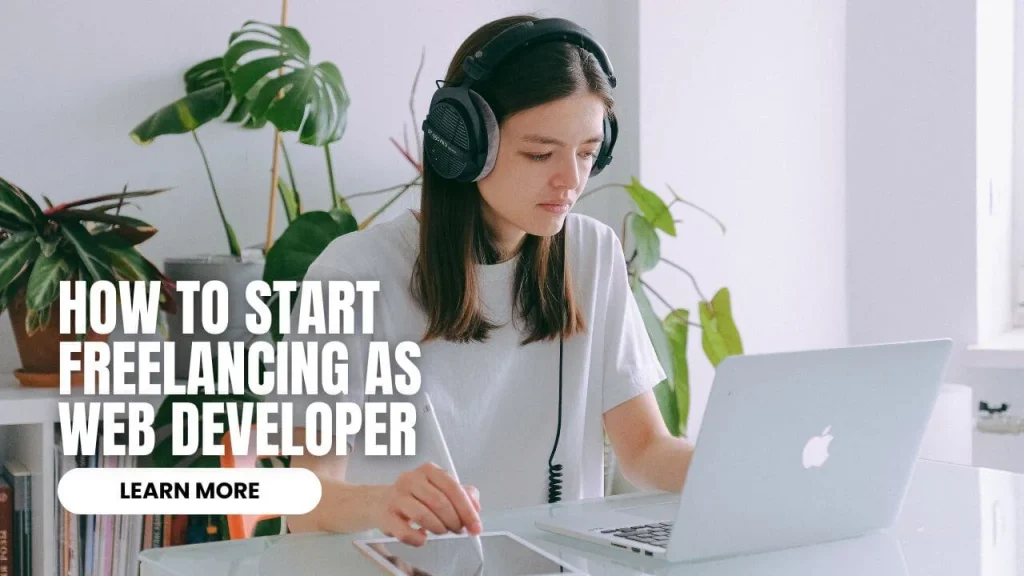

How to Start Freelancing as a Web Developer

Phase 1: Build Your Foundation
Skills to Master:
- Frontend: HTML5, CSS3, JavaScript (ES6+)
- At least one framework: React, Vue.js, or Angular
- Backend basics: Node.js, Express, or Python/Django
- Database fundamentals: SQL (PostgreSQL/MySQL) or MongoDB
- Essential tools: Git/GitHub, command line, responsive design principles
- Bonus: CMS platforms (WordPress, Webflow)
Build Your Portfolio:
- Create 3-5 quality projects (not just tutorials)
- Include real-world problems you’ve solved
- Showcase different skills (e-commerce, dashboard, API integration)
- Host projects on GitHub Pages, Netlify, or Vercel
Phase 2: Setup & Preparation
Legal & Administrative:
- Choose business structure (sole proprietorship/LLC)
- Register your business if required locally
- Set up separate business bank account
- Prepare basic contract templates
- Create invoice templates (use tools like Wave or FreshBooks)
Set Your Rates:
- Research market rates in your region/niche
- Start with hourly ($25-50/hr) or project-based pricing
- Consider value-based pricing as you gain experience
Phase 3: Create Your Online Presence
Professional Profiles:
- LinkedIn: Complete profile, showcase projects
- GitHub: Clean repositories with good READMEs
- Personal website/portfolio with:
- About page
- Portfolio with case studies
- Services offered
- Contact form
- Client testimonials (add as you get them)
Freelance Platforms to Start:
- Upwork (competitive but high volume)
- Fiverr (good for beginners)
- Toptal (selective, higher rates)
- AngelList (for startup projects)
- Local job boards
Phase 4: Find Your First Clients
Start with:
- Friends, family, or local small businesses
- Non-profits (offer discounted rates for portfolio building)
- Previous employers or colleagues
- Network at local meetups or online communities
Outreach Strategy:
- Identify businesses with outdated websites
- Offer specific improvements rather than vague services
- Send personalized proposals explaining how you can help
Phase 5: Deliver Projects Professionally
Workflow Process:
- Initial consultation & discovery
- Written proposal with scope, timeline, and pricing
- Signed contract and deposit (typically 25-50%)
- Regular updates and communication
- Testing and revisions
- Final delivery, payment, and follow-up
Tools to Use:
- Project management: Trello, Asana, or Notion
- Communication: Slack, email, Zoom
- Design collaboration: Figma, Adobe XD
- Time tracking: Toggl, Clockify
- File sharing: Google Drive, Dropbox

Phase 6: Grow Your Business
After First Projects:
- Ask for testimonials and referrals
- Refine your niche (e.g., e-commerce, SaaS, specific industries)
- Raise rates gradually
- Consider retainer agreements for ongoing work
- Build relationships for repeat business
Avoid Common Pitfalls:
- Scope creep: Define clear boundaries in contracts
- Payment issues: Use contracts and deposits
- Burnout: Set work hours and learn to say no
- Isolation: Join freelance communities
Quick Start Action Plan:
- Week 1-4: Build 3 portfolio projects
- Week 5: Create portfolio website and profiles
- Week 6: Apply to 5-10 small projects weekly
- Week 7-8: Land first client, deliver excellent work
- Month 3+: Refine processes and raise rates
Recommended Resources:
- Communities: r/freelance, Indie Hackers, Dev.to
- Learning: freeCodeCamp, Frontend Mentor
- Legal: Docracy (free contract templates)
- Inspiration: Chris Do (The Futur) on YouTube
Remember: Start before you feel 100% ready. Your first few projects will be learning experiences. Focus on clear communication, reliability, and delivering value—technical skills are only part of the equation. Consistency and professionalism will build your reputation faster than perfectionism.
[INSERT_ELEMENTOR id=”17″]