
The Simple Analogy: The Lemonade Stand
Imagine a kid setting up a lemonade stand.
Bad Marketing: They throw together their lemonade however they’d like (super sour), set it up in their backyard (where they can’t be seen), and scream ‘BUY MY LEAOMNADE!’ at anyone who walks by. This is simply selling.
Good Marketing: Research: They see that it’s a hot summer day, and that lots of people are jogging by the park. (They find a need)
Product: They decide to make their lemonade a little less sour and a little colder because that’s what the people want. (They create a product that fits the need)
Place: They find a spot right next to the park. (They place their product where the customers are)
Price: They decide that $1 is a good price for their lemonade.
Promotion: They buy a big, colorful sign that says ‘ICE-COLD LEMONADE – $1’ and a nice smile. (They advertise and promote their product)
All of this is marketing.

The Four Main Pillars: The “4Ps of Marketing”
This is a simple breakdown of the key elements, also referred to as the Marketing Mix. They are
Product
– what you are selling. This could be a good (smartphone), service (haircut), or an idea. Marketing ensures that they are providing exactly what the customer wants. Features, design, packing, brand, and product line all fall into this category.
Price
– how much you are selling it for. The marketing team decides on the pricing strategy that will appeal to the target audience and ensure profitability.
Place
– where you sell your product. Distribution channels (retailers, e-commerce platforms, physical stores) dictate this element. Ensuring that the item is available at places and through platforms convenient to the consumer falls under this category.
Promotion
– how you promote and advertise your product. This is the most visible part of marketing that most people recognize. All the usual suspects like
advertising, social media, sales promotions, public relations, and email marketing fall under this category.
The Modern Marketing Process
Today, marketing is a continuous cycle:
Understand the Customer & Market: Learn who your customers are, their needs, and those of your competitors.
Develop a Strategy: From that information, determine what customers to target and how to position products in the market.
Create Value: Decide on products, prices, places, and promotions (the 4Ps)
Communicate Value: Communicate the value you are creating to your customers.
Deliver & Grow: Deliver on that value, and build customer relationships that lead to continued repeat sales.
Types of Marketing (Examples)
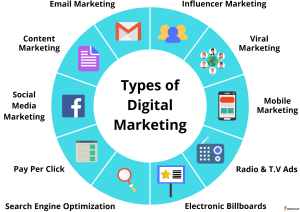
Marketing covers a vast area:
Digital Marketing: Using various online tools (Social Media, SEO, Email, Web)
Content Marketing: Drawing potential customers with useful content (blogs, videos)
Social Media Marketing: Social Media (Instagram, TikTok, LinkedIn) interaction with the audience
Search Engine Optimization (SEO): Optimizing the website so that it appears in Google searches
Influencer Marketing: The famous online personalities promote your product
In a Nutshell
Marketing is not the art of selling the created product — it is the art of knowing what to sell in the first place.
It precedes the actual creation of any product and follows its sales to shape the relationship between the brand and the customer.