
How to Start as a Freelance Web Developer: A Step-by-Step Guide
📋 Phase 1: Foundation & Skills Assessment
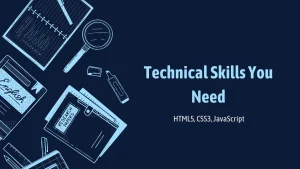
Technical Skills You Need:
- Frontend Basics: HTML5, CSS3, JavaScript (ES6+)
- Frontend Framework: React, Vue, or Angular (pick one to specialize)
- Backend Option: Node.js, Python (Django/Flask), PHP (Laravel), or Ruby on Rails
- Database Knowledge: MySQL, PostgreSQL, MongoDB
- Version Control: Git & GitHub
- Responsive Design & CSS Frameworks: Bootstrap, Tailwind
- Basic DevOps: Hosting, domains, FTP, basic server management
Initial Action Plan:
- Assess your current skill level – be honest about gaps
- Build a solid portfolio (3-5 quality projects, even if hypothetical)
- Create a professional website showcasing your work
- Set up business essentials (more on this below)

💼 Phase 2: Business Setup
Immediate Legal/Business Steps:
- Business Structure: Start as sole proprietor, consider LLC later
- Separate Bank Account: Keep business finances separate
- Invoicing System: Wave, FreshBooks, or QuickBooks (free options available)
- Contract Templates: Get basic client agreement (check Docracy or legal templates)
- Tax Preparation: Set aside 25-30% of income for taxes
Your Online Presence:
- Personal Website: Yourname.com or studio-name.com
- LinkedIn Profile: Optimize completely
- GitHub: Active with clean, documented code
- Social Media: Twitter/X for networking, Instagram for visual work
🎯 Phase 3: Finding Your First Clients
Beginner-Friendly Strategies:
Start Local:
- Small local businesses with outdated websites
- Non-profits (offering discounted rates for portfolio building)
- Friends & family businesses
Online Platforms (for initial experience):
- Upwork (start with smaller projects)
- Toptal (more selective)
- AngelList (startup opportunities)
- Local Facebook business groups
Networking:
- Attend local tech meetups
- Join online communities (Discord, Slack groups)
- Connect with other freelancers (not just clients)
💰 Phase 4: Pricing & Proposals
Pricing Models for Beginners:
- Hourly: $25-50/hr starting (adjust based on location/skills)
- Project-based: Estimate hours × hourly rate + 20% buffer
- Value-based: As you gain experience
The Proposal Process:
- Discovery call (understand client needs)
- Written proposal with clear scope, timeline, deliverables
- Contract before any work
- Deposit (30-50%) before starting
🛡️ Phase 5: Avoiding Common Pitfalls
Must-Have Protections:
- Clear scope documents prevent “scope creep”
- Regular communication (weekly updates)
- Milestone payments for larger projects
- Learn to say no to bad fits/red flags
📈 Phase 6: Growth Strategies
After Landing First Clients:
- Ask for testimonials after successful projects
- Specialize in a niche (e-commerce, SaaS, specific industry)
- Raise rates with each new client or every 6 months
- Build referral systems (offer incentives for referrals)
- Consider retainer models for steady income
🗓️ Sample 90-Day Launch Plan:
Month 1: Skills polish + portfolio (2-3 showcase projects)
Month 2: Website + profiles + outreach (5 proposals/week)
Month 3: First clients + refine process + gather testimonials
💡 Pro Tips for Immediate Start:
- Start before you feel “ready” – you’ll learn by doing
- Underpromise, overdeliver on early projects
- Document everything – hours, communications, decisions
- Invest in continuous learning (but balance with income-generating work)
- Join freelancer communities for support and advice
🔧 Essential Tools Starter Pack:
- Code Editor: VS Code
- Design: Figma (free tier available)
- Project Management: Trello or Notion (free)
- Communication: Slack/Discord
- Time Tracking: Toggl Track (free)
- File Sharing: Google Drive/Dropbox
First Week Action Items:
- Audit your current skills
- Register a domain name
- Build a simple portfolio site
- Create a basic proposal template
- Reach out to 3 potential clients
Remember: Consistency beats intensity. Regular outreach (even 30 minutes daily) yields better results than occasional bursts. Your first few projects will be the hardest to land – persevere through the initial rejection.