


The Pillars of Digital Marketing Success

Think of these as the non-negotiable fundamentals.
- Strategy First, Tactics Second: Never start by just creating social media accounts or running ads. Your strategy is your roadmap.
- Goal: What do you want to achieve? (e.g., Brand awareness, lead generation, direct sales).
- Audience: Who are you talking to? Create detailed buyer personas.
- Unique Value Proposition (UVP): Why should they choose you?
- Your Website is Your Hub: All your digital efforts should drive traffic back to your website, which you own and control.
- User Experience (UX): Is it easy to navigate and fast?
- Mobile-First: It must be flawless on mobile devices.
- Clear Call-to-Action (CTA): What do you want the visitor to do? (Buy, Sign up, Contact).
- Content is King, Distribution is Queen: Creating great content is only half the battle. You need a plan to get it seen.
- Solve Problems: Your content should educate, entertain, or inspire your audience.
- Choose the Right Formats: Blog posts, videos, infographics, podcasts—match them to your audience’s preferences.
- Data-Driven Decisions: Never assume. Use data to understand what’s working and what’s not.
- Tools: Google Analytics, social media insights, and your CRM are your best friends.
The Step-by-Step Framework for Digital Marketing Success
Follow these steps to build your digital presence from the ground up.
Step 1: Lay the Foundation
- Define Your SMART Goals: Specific, Measurable, Achievable, Relevant, Time-bound. (e.g., “Increase qualified leads by 25% in 6 months”).
- Know Your Audience: Build buyer personas. Understand their demographics, pain points, goals, and online behavior.
- Competitor Analysis: See what your competitors are doing well (and where they are failing). Tools like SEMrush or Ahrefs can help.
- Audit Your Current Assets: Review your existing website, social media, and content. What’s performing? What’s not?
Step 2: Build and Optimize Your Owned Channels
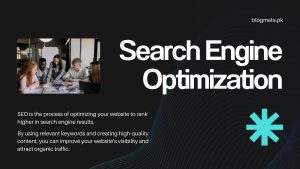
- Website & SEO (Search Engine Optimization): This is your long-term asset.
- On-Page SEO: Optimize page titles, meta descriptions, headers, and images with relevant keywords.
- Technical SEO: Ensure your site is fast, secure (HTTPS), and easy for search engines to crawl.
- Content & Off-Page SEO: Create high-quality content that others naturally want to link to.
- Email Marketing: The channel with the highest ROI.
- Build a List: Offer a lead magnet (e.g., ebook, discount, webinar) in exchange for an email.
- Segment Your List: Don’t send the same email to everyone. Segment by interest, behavior, or purchase history.
- Provide Value: Don’t just sell. Educate and build a relationship.
Step 3: Create a Content Marketing Engine
- Keyword Research: Find out what your audience is searching for. Use Google Keyword Planner, Ahrefs, or AnswerThePublic.
- Content Calendar: Plan your topics, formats, and publishing schedule.
- Pillar-Cluster Model: Create a comprehensive “Pillar” page on a broad topic and support it with related “Cluster” blog posts. This helps SEO significantly.
- Repurpose Content: Turn a blog post into a video script, an infographic, and a series of social media posts.
Step 4: Master Social Media and Paid Advertising
- Social Media Marketing:
- Be Selective: Don’t be on every platform. Be where your audience is.
- Engage, Don’t Just Broadcast: Respond to comments, ask questions, and join conversations.
- Paid Advertising (PPC):
- Google Ads: Appear at the top of search results for specific, high-intent keywords.
- Social Media Ads (Facebook/Instagram, LinkedIn, TikTok): Excellent for targeted brand awareness and lead generation based on interests, behaviors, and demographics.
- Start Small, Test, and Scale: Begin with a small budget to test what works before investing more.
Step 5: Analyze, Refine, and Scale
- Track Key Metrics (KPIs):
- Awareness: Website Traffic, Social Media Reach
- Engagement: Time on Site, Social Shares, Comments
- Conversion: Conversion Rate, Cost per Lead (CPL), Email Sign-ups
- Revenue: Customer Lifetime Value (LTV), Return on Ad Spend (ROAS)
- Continuous Improvement: Use A/B testing to try different headlines, ad copy, email subject lines, and landing page designs.
- Report Your Results: Show what’s working to stakeholders and use the insights to secure bigger budgets.
Common Mistakes to Avoid
- Ignoring Mobile Users: A non-mobile-friendly site will kill your success.
- Being on Every Social Platform: It’s better to master one or two than to be mediocre on five.
- Focusing on Vanity Metrics: 10,000 followers mean nothing if they don’t engage or buy. Focus on conversion metrics.
- Inconsistency: Posting erratically confuses your audience and algorithms.
- Giving Up Too Soon: SEO and building an audience take time. Be patient and persistent.
Essential Tools for Success
- SEO & Analytics: Google Analytics, Google Search Console, SEMrush, Ahrefs
- Social Media Management: Buffer, Hootsuite, Sprout Social
- Email Marketing: Mailchimp, Klaviyo, ConvertKit
- Content Creation: Canva (graphics), Grammarly (writing), Loom (video)
- Advertising: Google Ads, Meta Ads Manager, LinkedIn Campaign Manager
Conclusion: The Success Mindset
Successful digital marketing is a marathon, not a sprint. It requires you to be:
- Strategic: Always tie your actions back to your business goals.
- Adaptive: The digital world changes fast. Be ready to learn and pivot.
- Customer-Centric: Everything you do should be about providing value to your audience.
- Data-Informed: Let the numbers guide your decisions, not your gut feelings.
Start with the foundation, build one channel at a time, measure your results, and never stop learning. Good luck.