

How to Start a Career in Web Development: A Complete Roadmap
1. Understand the Field
Web development has two main paths:
- Front-end: What users see (HTML, CSS, JavaScript)
- Back-end: Server-side logic and databases
- Full-stack: Combination of both
2. Learn the Fundamentals
Core Technologies:
- HTML: Structure of web pages
- CSS: Styling and layout
- JavaScript: Interactivity and logic
- Git/GitHub: Version control
Recommended Learning Path:
- Beginner: FreeCodeCamp, MDN Web Docs, W3Schools
- Structured Courses: Odin Project, Coursera, Udemy
- Interactive Practice: Codecademy, Scrimba, Frontend Mentor
3. Choose a Specialization
Front-end Focus:
- Modern frameworks: React, Vue, or Angular
- Responsive design principles
- CSS frameworks: Bootstrap, Tailwind
Back-end Focus:
- Server-side languages: Node.js, Python, PHP, or Ruby
- Databases: SQL (PostgreSQL, MySQL) or NoSQL (MongoDB)
- APIs and server management
4. Build a Portfolio
- Start with simple projects (landing page, calculator)
- Progress to full applications (todo app, blog, e-commerce site)
- Include 3-5 strong projects that showcase different skills
- Host on GitHub Pages, Netlify, or Vercel
5. Develop Essential Skills
- Problem-solving: Practice on platforms like Codewars, LeetCode
- Responsive design: Ensure sites work on all devices
- Browser developer tools: Learn to debug effectively
- Basic design principles: Understand UX/UI fundamentals
6. Create Your Online Presence
- Professional GitHub with clean, documented code
- LinkedIn profile highlighting your skills
- Personal portfolio website
- Technical blog (optional but valuable)
7. Gain Practical Experience
- Contribute to open-source projects
- Freelance on platforms like Upwork
- Build projects for local businesses or nonprofits
- Create clone projects of popular websites
8. Prepare for Job Search
- Polish your resume with technical keywords
- Prepare for technical interviews (coding challenges, system design)
- Practice explaining your projects and code
- Network through local meetups or online communities
9. Job Search Strategies
- Apply for junior/entry-level positions
- Consider internships or apprenticeships
- Look for “career changer” friendly companies
- Don’t overlook non-tech companies that need web developers
10. Continue Learning
- Stay updated with new technologies
- Learn about deployment, DevOps basics
- Explore related fields (web performance, accessibility, security)
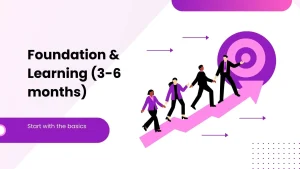
Timeline Expectations
- 3-6 months: Learning fundamentals, building basic projects
- 6-12 months: More complex projects, job search preparation
- 1-2 years: First professional role, continued skill development
Common Beginner Mistakes to Avoid
- Trying to learn everything at once
- Copying code without understanding it
- Not building enough projects
- Applying for jobs too early or too late
- Comparing your progress to others
Resources to Get Started
- Free: FreeCodeCamp, Odin Project, YouTube tutorials
- Paid: Udemy courses, Frontend Masters, bootcamps
- Practice: Codepen, JSFiddle, CodeSandbox
- Community: Dev.to, Hashnode, local meetups
Remember: Consistency is more important than intensity. Code regularly, build projects you’re passionate about, and don’t be afraid to ask for help. The web development community is generally supportive of beginners!
[INSERT_ELEMENTOR id=”17″]