
Let’s break down what SEO is in a clear, comprehensive way.
What is SEO? The Simple Definition
SEO (Search Engine Optimization) is the practice of improving a website to increase its visibility in organic (non-paid) search engine results.
Think of it this way: When you search for something on Google, you get two types of results:
- Paid Ads: The listings at the very top and bottom labeled “Ad.” Companies pay for these.
- Organic Results: The main list of results below the ads. SEO is all about getting your website to rank as high as possible in this section.
The ultimate goal of SEO is to attract free, targeted traffic from search engines to your website.
The Core Idea: Speaking the Search Engine’s Language
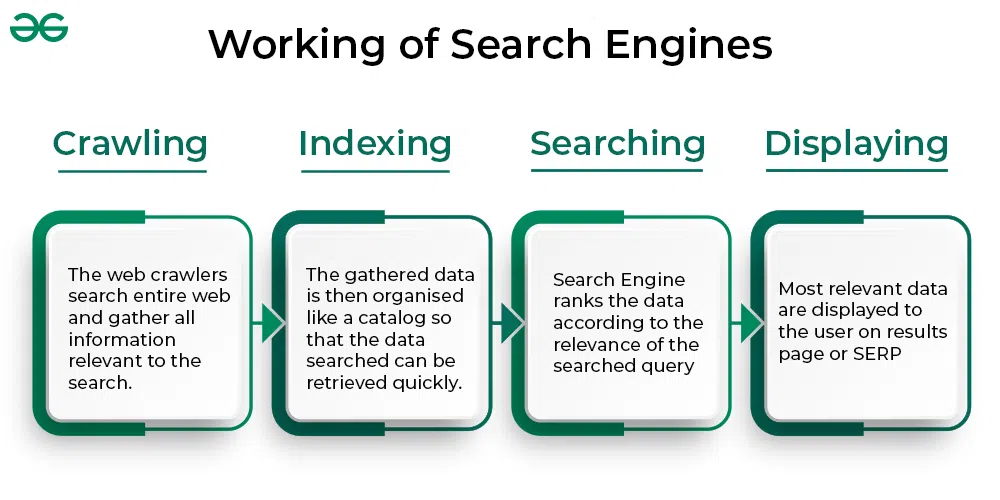
Search engines like Google are like incredibly fast and smart librarians. Their goal is to provide the best, most relevant “book” (webpage) in their library (the internet) in response to a user’s “question” (the search query).
SEO is the process of making your “book” so well-organized, authoritative, and clearly written that the librarian has no choice but to recommend it first.
The Three Main Pillars of SEO
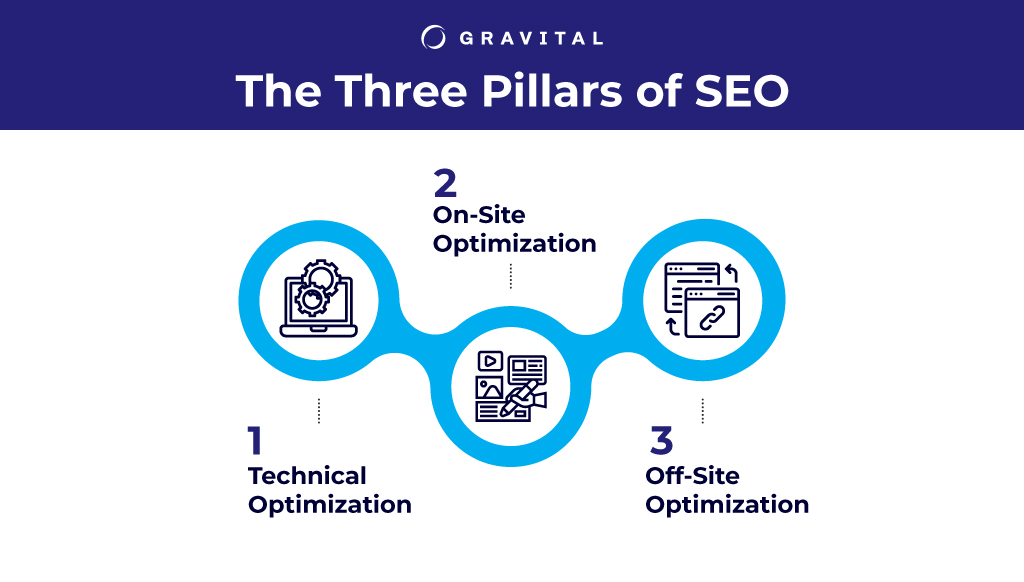
SEO is typically broken down into three major categories:
1. Technical SEO
This is the foundation. It’s about making sure search engines can find, crawl, and understand your website’s structure easily. It’s the behind-the-scenes work that users don’t see but search engines love.
- Examples: Site speed, mobile-friendliness, secure website (HTTPS), clean URL structure, creating an XML sitemap, and fixing broken links.
2. On-Page SEO
This is about optimizing the content and HTML source code of individual pages on your site to rank for specific keywords.
- Examples:
- Content Quality: Creating high-quality, informative, and engaging content that answers the user’s search intent.
- Keywords: Using relevant keywords naturally in your titles, headings, and body text.
- Meta Tags: Writing compelling title tags and meta descriptions that appear in search results.
- Images: Using descriptive file names and alt text for images.
- Internal Linking: Linking to other relevant pages on your own site.
3. Off-Page SEO
This is about building your website’s reputation and authority across the internet. It’s largely about what other sites say about you.
- Examples:
- Backlinks: Getting other reputable websites to link to your content. This is like a vote of confidence, telling Google that your site is a trusted source.
- Social Signals: While not a direct ranking factor, having your content shared on social media increases its visibility and can lead to more backlinks.
- Online Mentions: Your brand being mentioned online (even without a link) can contribute to authority.
Why is SEO Important?
- The Majority of Traffic is Organic: Over 50% of all website traffic typically comes from organic search. It’s the largest and most consistent channel for most businesses.
- Credibility and Trust: Users trust organic results more than ads. Ranking high on Google subconsciously signals that your site is an authority on the topic.
- Cost-Effectiveness: Unlike paid advertising, you don’t pay for each click from organic search. You invest time and resources upfront to earn long-term traffic.
- Sustained Results: A well-optimized page can continue to bring in traffic for months or even years, while paid ads stop the moment you stop paying.
A Simple Analogy: Opening a Physical Store
- Technical SEO is like building your store with wide aisles, good lighting, and clear signage so people can move around easily.
- On-Page SEO is like having well-organized products, clear price tags, and knowledgeable staff who can answer questions.
- Off-Page SEO is like getting positive reviews in the local newspaper, having influencers talk about your store, and other businesses recommending you.
If you do all three well, you’ll get a steady stream of happy customers. If you ignore them, your store will be hard to find and difficult to shop in, even if you have great products.
The Most Important Thing to Remember
While the tactics are important, the fundamental goal of modern SEO is to satisfy user intent. Google’s algorithms are incredibly sophisticated and are designed to reward websites that provide the best possible experience and answer for the user’s query.
Focus on the user, and the rankings will follow.